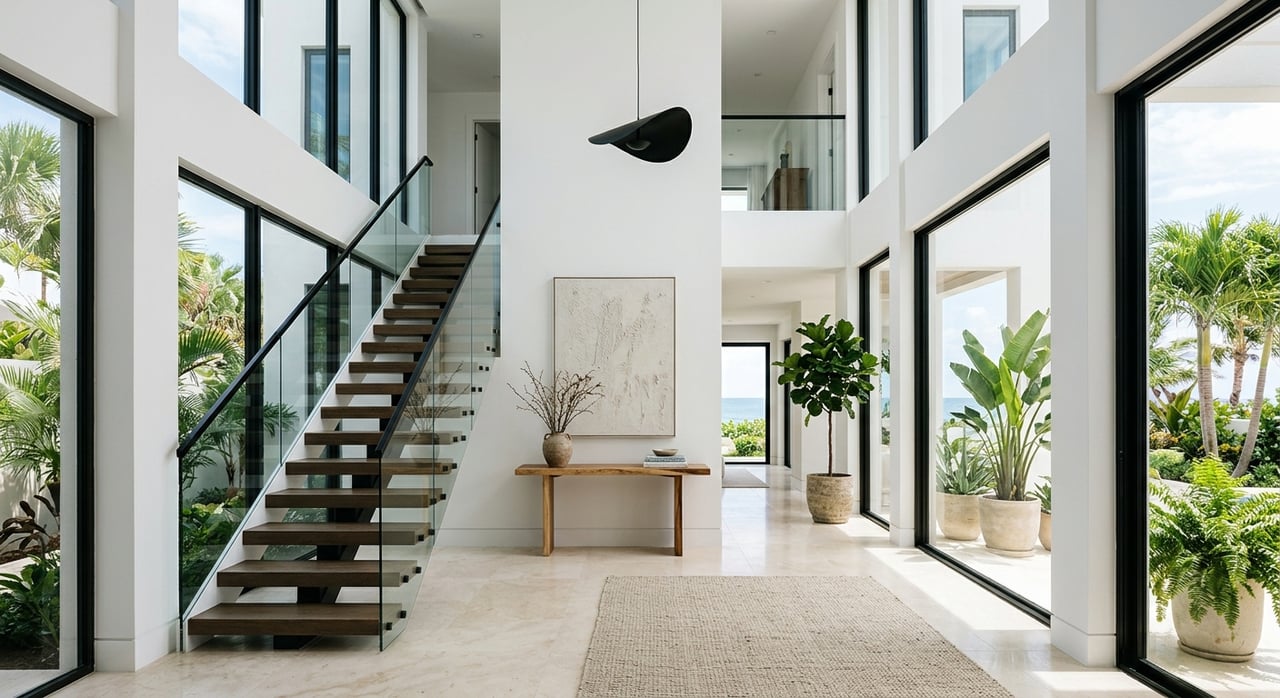
How to Create a Lock-and-Leave Retreat in Lakewood Ranch
June 18, 2026
June 18, 2026
If you want a Florida home that feels effortless the moment you arrive, a lock-and-leave plan matters just as much as the address. In Lakewood Ranch, that usually means looking beyond beautiful finishes and asking smarter questions about maintenance, monitoring, and day-to-day convenience. When you choose well, you can spend less time managing a house from afar and more time enjoying why you bought here in the first place. Let’s dive in.
Lakewood Ranch can support a seasonal, lock-and-leave lifestyle, but it helps to understand what the community is and what it is not. Official community materials describe it as a 33,000-plus-acre master-planned community with year-round residents, more than 30 villages, over 150 miles of trails, and roughly 40% of its land set aside for open space and recreation.
That matters because your fit here depends less on the community name alone and more on the specific village and ownership setup you choose. Lakewood Ranch is not simply a second-home enclave, yet it offers several housing types and amenity patterns that can work very well for part-time owners.
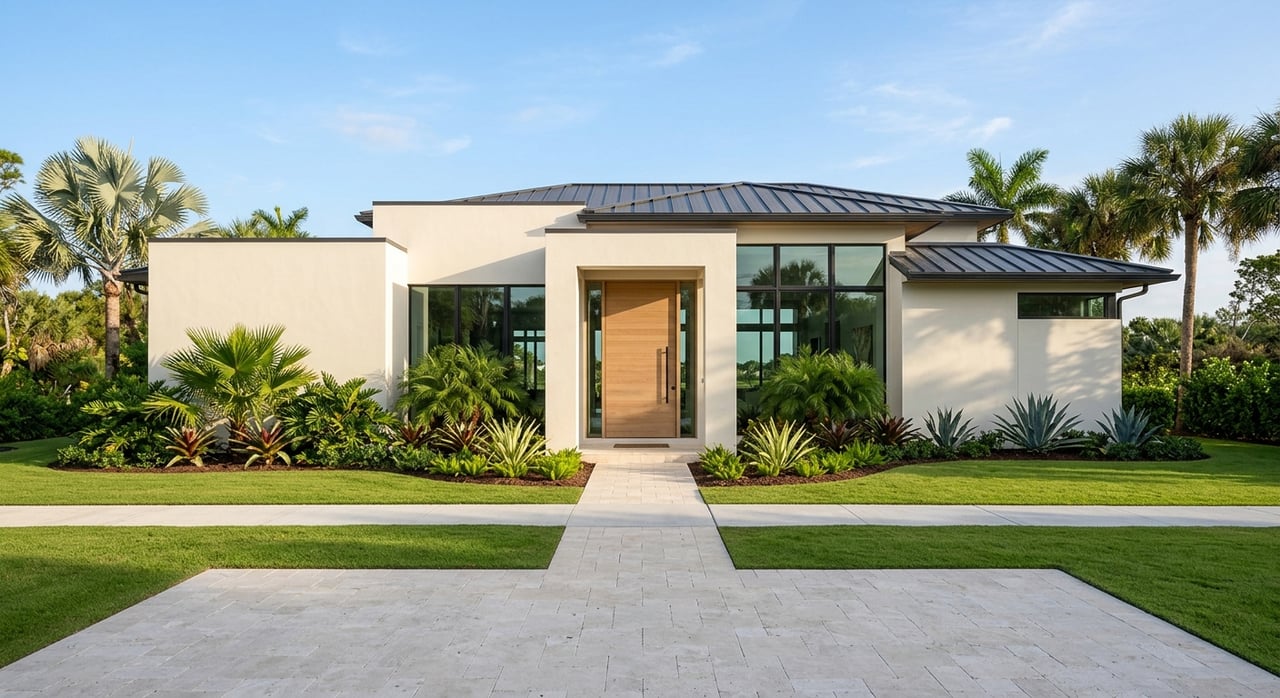
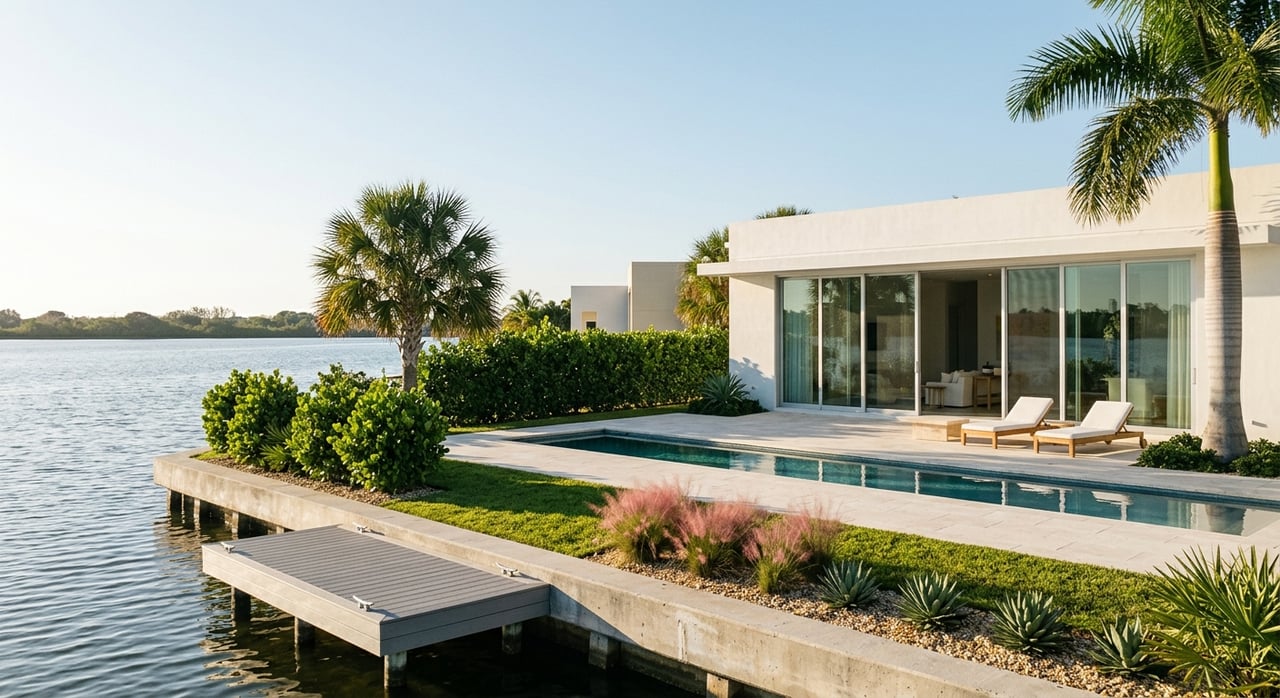
A true lock-and-leave retreat usually begins with a home that reduces your to-do list before you even furnish it. In Lakewood Ranch, the current community mix includes condos, townhomes, paired or attached villas, and single-family homes.
For many seasonal buyers, lower-maintenance formats can simplify ownership. A condo, villa, or townhome may reduce exterior responsibilities compared with a larger single-family property, especially if your goal is easy arrivals and easier departures.
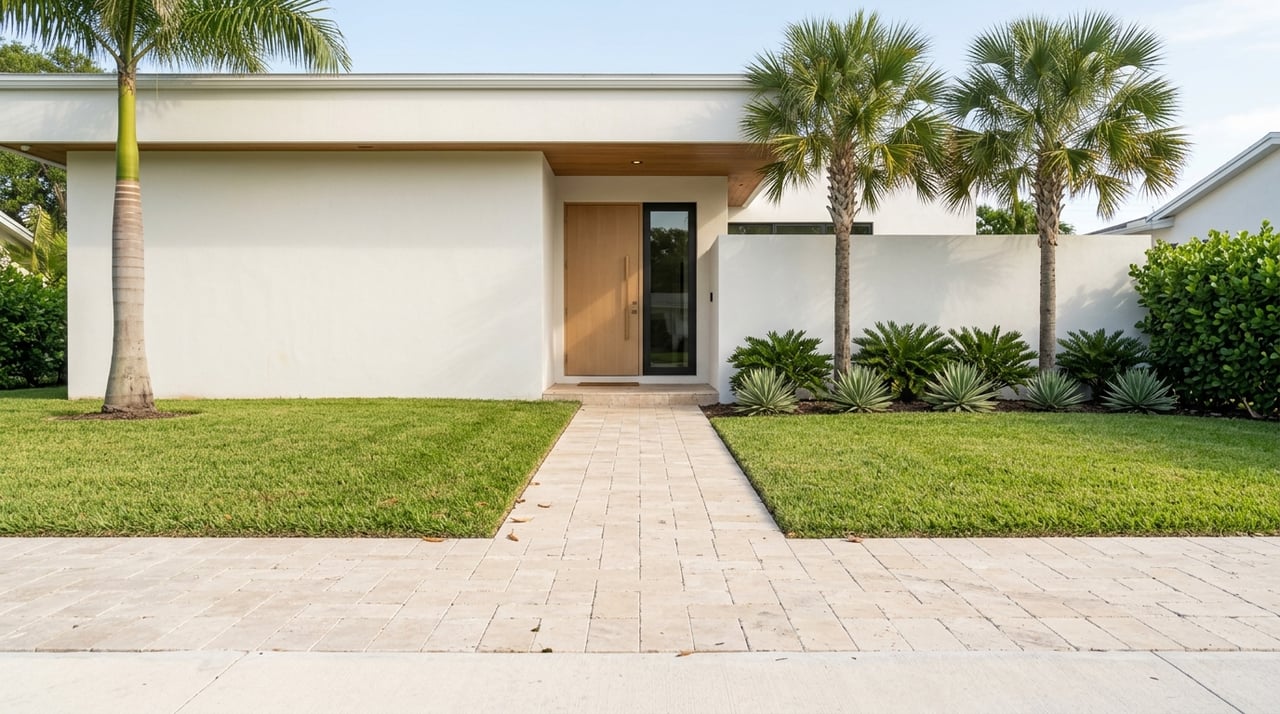
If you prefer a detached home, low-maintenance options still exist. The key is to compare how much hands-on care the property will require when you are away for weeks or months at a time.
Not all villages support a lock-and-leave lifestyle in the same way. The Lakewood Ranch community matrix shows that features such as gated entry, maintenance included, clubhouses, pools, fitness centers, pickleball, tennis, and lifestyle programming appear across different parts of the community.
For seasonal owners, maintenance included is often one of the most valuable filters. The community materials identify examples such as Cresswind, which is gated, age-restricted, and maintenance included, Star Farms, which advertises maintenance included, and Stillwater, a gated community offering low-maintenance single-family homes.
If you want an age-restricted option, Lakewood Ranch states that it has two 55-plus villages: Cresswind and Del Webb Catalina. That can be useful if your priority is a community structure designed around low-friction living and active-adult amenities.
One of the biggest mistakes seasonal buyers make is assuming that "maintenance included" means everything is handled. In practice, HOA inclusions vary by village.
According to the Lakewood Ranch FAQ, HOA fees generally cover village amenities, common-area maintenance, and in some cases lawn care and irrigation. The same FAQ notes that most HOA fees fall between $200 and $300 per month, though exact inclusions depend on the village.
That means you should confirm the details before you buy. Ask specifically which tasks are included, which are owner responsibilities, and what happens during longer absences.
The Stewardship District also plays a separate role. Community materials state that it handles parks, trails, lakes, stormwater pond functionality, arterial road enhancements, and conservation areas, which helps support the broader community environment but does not replace home-specific care.
Even in a low-maintenance setting, a successful lock-and-leave home usually needs a backup plan for the items that are not bundled. This is where thoughtful preparation makes ownership feel seamless.
Before your first extended departure, it helps to have a preselected list of service providers for:
This step is especially important in Florida, where weather, humidity, and seasonal conditions can turn small issues into expensive ones if no one is checking the property.
A lock-and-leave lifestyle is not only about the house. It is also about how quickly you can settle in after landing.
Lakewood Ranch has three town centers: Main Street, Waterside Place, and The Green, along with multiple shopping plazas and business districts. These hubs concentrate dining, shopping, and services, which can make your first day back far easier.
Community materials also note that Lakewood Ranch Medical Center is near Main Street and that many medical offices are nearby. If you are a seasonal owner, having daily conveniences and essential services close at hand can reduce errands and make shorter stays more enjoyable.
Waterside Place adds another layer of convenience. It is described as walkable from residences and connected by water taxi to many neighborhoods, which supports the kind of easy, in-community movement many part-time owners value.
Even smaller details can matter. Lakewood Ranch materials state that golf carts may be used within a village or for short trips on non-major roads, subject to local rules, which reinforces the easygoing, local-access feel that many buyers want from a seasonal home.
When a home sits empty part of the year, technology should lower risk, not create another system to manage. A modest, reliable setup is often better than a sprawling smart-home package.
Based on 2025 guidance from NIST, a smart-home plan should include strong authentication, unique passwords, review of privacy settings, automatic updates where available, disabling unused features, and home-network planning. For many seasonal owners, the best setup is practical rather than flashy.
A strong lock-and-leave package often includes:
USFA guidance also supports alarm devices that can transmit alerts to police or fire departments. If you are away for long stretches, quick notification can make a meaningful difference.
In a seasonal residence, durability often matters more than complexity. The less delicate your materials and finishes are, the less work you may face before leaving and after returning.
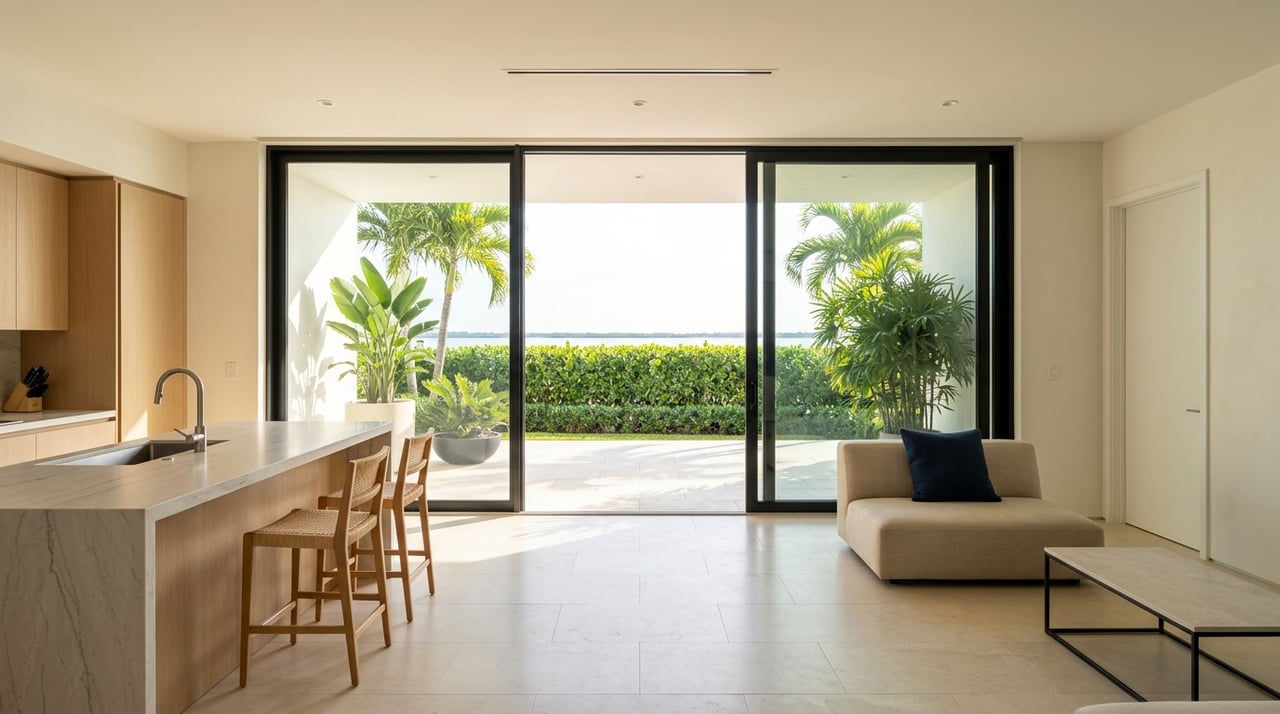
That means easy-clean surfaces, resilient flooring, simple window treatments, and furnishings that hold up well over time can be smart choices. A lock-and-leave retreat should feel polished, but it should also be easy to maintain between visits.
This design approach fits naturally with the low-maintenance and maintenance-included options found across parts of Lakewood Ranch. In many cases, simplicity is what makes a home feel more luxurious in actual daily use.
A well-designed retreat in Lakewood Ranch should also reflect Florida realities. For seasonal owners, a smooth departure checklist needs to address more than lights, locks, and linens.
One practical issue is taxes. The Florida Department of Revenue states that the homestead exemption applies when a property is the owner's permanent residence and is handled through the county property appraiser, so a true second home generally will not qualify.
Insurance planning also matters. Flood insurance is separate from standard homeowners coverage, and flood-hazard information should be reviewed through the official FEMA Flood Map Service Center. In some high-risk flood zones, coverage may be required for properties with federally backed mortgages.
Storm preparation deserves its own system. Ready.gov and FEMA advise homeowners to know evacuation routes, maintain a plan and supplies, follow official instructions, turn off gas, electricity, and water when directed, and return only when authorities say it is safe.
For a lock-and-leave owner, that means your departure process should be built around hurricane season as much as around home design. A polished home is helpful, but a property that is truly prepared for seasonal absences is what creates peace of mind.
If you are considering Lakewood Ranch for a part-time residence, it helps to evaluate each option through a simple lens. Ask whether the home reduces responsibilities, whether the village supports convenience, and whether your away-from-home plan is realistic.
In many cases, the best match will not be the largest home or the most elaborate amenity list. It will be the property that combines low-maintenance ownership, practical community access, and a clear service plan for the months you are not in town.
That is what turns a seasonal property into a true retreat. In Lakewood Ranch, the right home in the right village can give you that balance beautifully.
If you are weighing seasonal ownership in Lakewood Ranch and want a more tailored, concierge-level perspective, Mark J. Baron offers discreet guidance for buyers seeking a refined, low-friction Florida lifestyle.
Stay up to date on the latest real estate trends.
Whether you're buying your dream home or preparing to sell an exceptional property, I bring clarity, strategy, and care to every step. With deep local knowledge, a powerful marketing toolkit, and a commitment to discretion and detail, I deliver results that align with your goals—and exceed your expectations.
Get In Touch
443 John Ringling Blvd. Suite F Sarasota, FL 34236