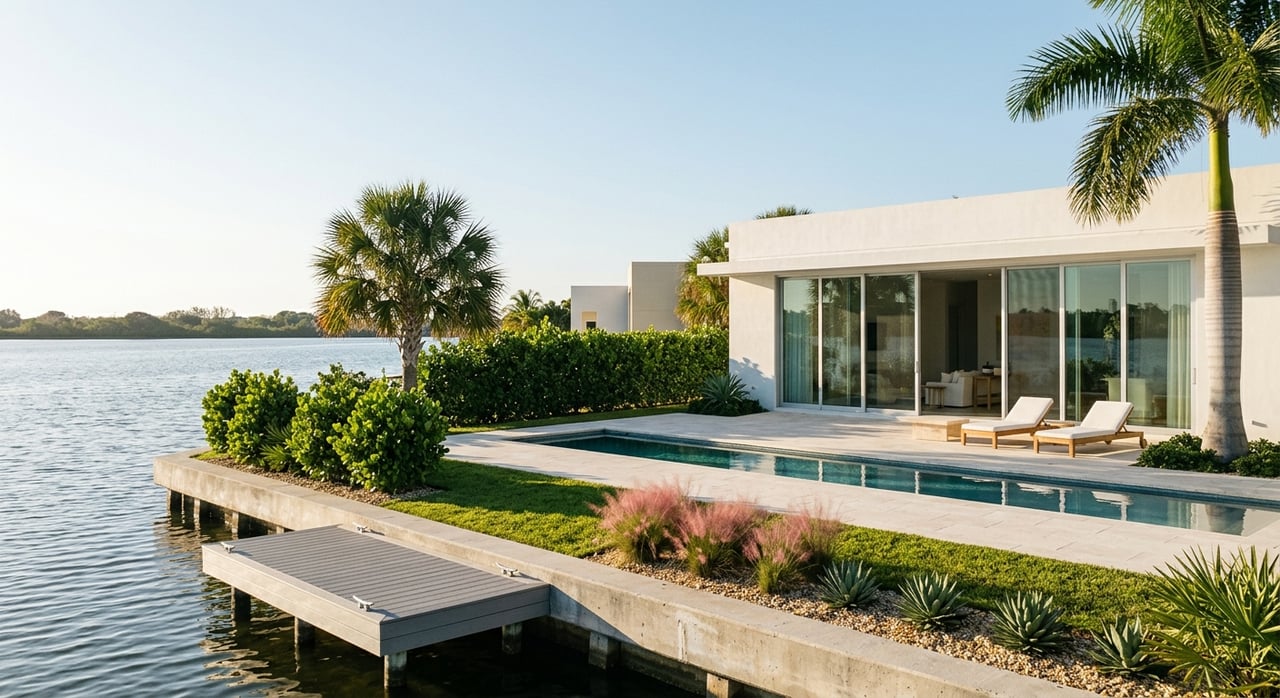
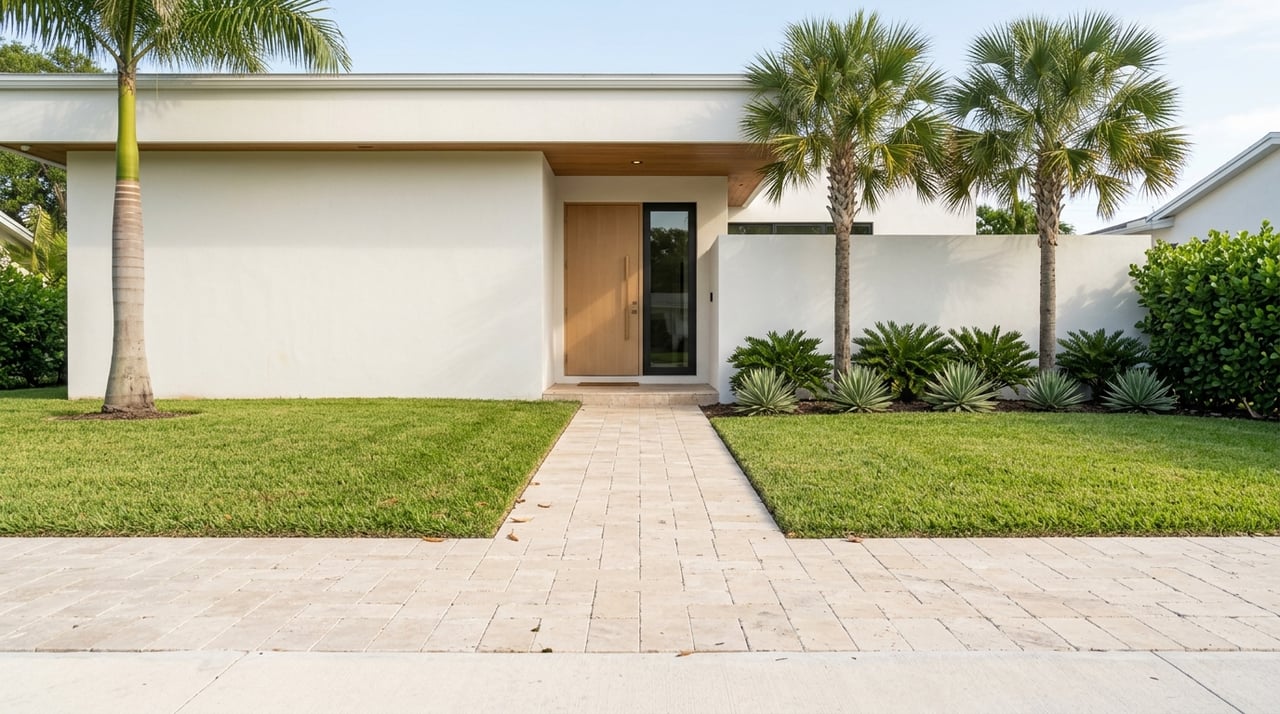
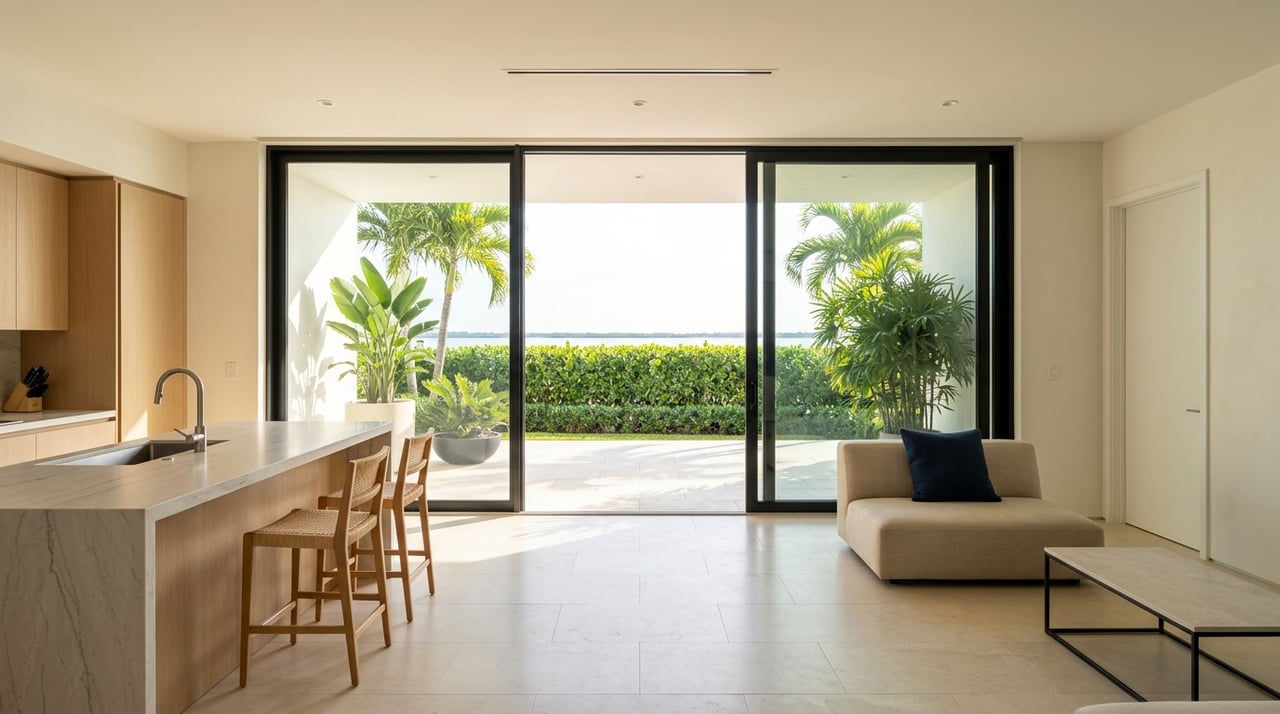
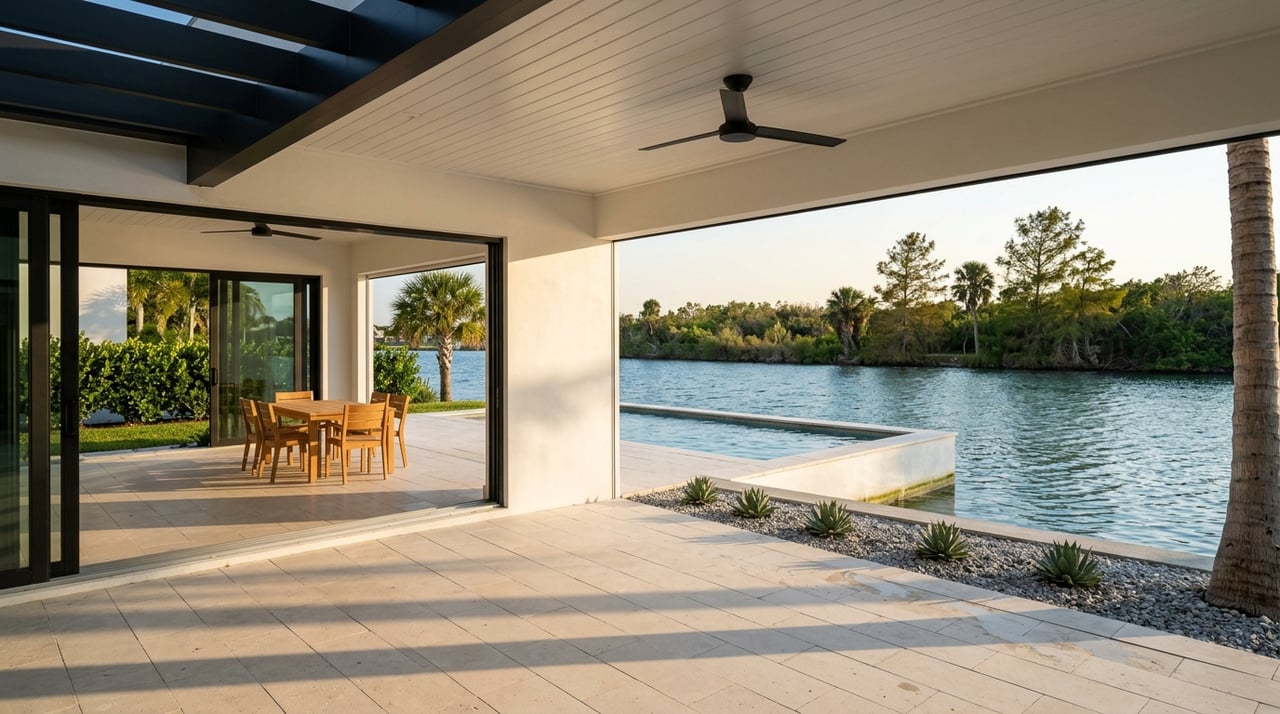
Torn between the excitement of a brand‑new build and the charm of a well‑kept resale in Lakewood Ranch? You are not alone. In a master‑planned community of this scale, the right choice comes down to timing, customization, warranties, and the full cost of ownership. This guide breaks down each factor so you can compare with confidence and move forward on your terms. Let’s dive in.
Why Lakewood Ranch context matters
Lakewood Ranch spans 35,000 plus acres across Manatee and Sarasota counties with planned villages, parks, medical services, and town centers that shape daily life. The community’s scale and amenities are part of its appeal, and they also affect how you compare homes and costs. You will find everything from maintenance‑included villas to custom estates, plus villages with resort‑style amenities and nearby private club options. Lakewood Ranch’s master‑plan story gives useful context as you weigh choices.
Many parcels fall within Community Development Districts (CDDs) or the Stewardship District. These public special districts can levy non‑ad valorem assessments that appear alongside county property taxes, and they sit on top of any HOA dues. Club communities add another layer. For example, golf‑centric neighborhoods can offer optional or bundled memberships, each with its own fee rules. Always confirm membership terms in writing with the HOA or club, such as those outlined by Lakewood National Golf Club.
New build vs resale at a glance
- New construction pros: modern systems and energy features, structured warranties, design selections, brand‑new amenities. Cons: longer timeline, upgrade costs, more complex financing for ground‑up builds, builder‑friendly contracts.
- Resale pros: faster move‑in, more price and repair negotiation, easy to inspect the exact home and street, conventional financing is straightforward. Cons: older systems may need updates, limited personalization without renovations, no builder warranty unless you purchase a service plan.
Timeline to keys
If you have a firm move‑in date, timing may decide the path.
- New construction: Production builds typically take months to complete, while custom builds can take much longer. Builders also release “quick move‑in” inventory that can close faster than a ground‑up start. See typical timelines from NewHomeSource.
- Resale: Most financed purchases close in roughly 30 to 45 days after contract, subject to appraisal and lender timelines. Industry guidance pegs the average near the 40 to 50 day range. Review the overview from CrossCountry Mortgage.
Practical takeaway: If you must be in by a lease end or a new job start, a resale or a builder inventory home usually keeps calendar risk low. If you can wait and want tailored finishes, a new build can be worth the time.
Personalization and finishes
- New construction: You select floor plans, structural options, and finishes through staged design appointments. Most builders set deadlines for structural choices and design‑studio selections. Early decisions keep costs and delays in check, while late changes can add both.
- Resale: What you see is largely what you get. You can negotiate repairs or credits during inspections, but bigger changes mean post‑closing renovations.
Practical takeaway: If built‑in personalization and integrated technology matter most, new construction shines. If you value the ability to walk a finished home and neighborhood before deciding, resale can feel more certain.
Warranties and maintenance risk
- New construction: Many builders follow a 1‑2‑10 pattern, with one year for workmanship and materials, two years for major systems, and 10 years for qualifying structural defects. Coverage specifics vary by builder and warranty provider, such as 2‑10 Home Buyers Warranty.
- Resale: There is no builder warranty unless the seller offers one or you buy a service contract. Expect to budget for near‑term replacements based on inspection findings and system age.
Practical takeaway: A builder warranty reduces surprise costs in the first years of ownership. If predictability is your priority, that structure carries real value.
HOAs, CDDs and clubs
In Lakewood Ranch, your monthly and annual carrying costs can vary widely by village and parcel.
- CDD assessments: These are non‑ad valorem charges that may include a bond debt service and an operations and maintenance component. They usually appear on your county property tax bill. Learn what to look for and how lenders may treat CDDs in qualifying through this local guide to CDD fees in Lakewood Ranch.
- HOAs: Dues fund neighborhood operations, reserves, and amenities. Amounts and services differ by village and product type.
- Clubs: Some areas include or require a private club membership, while others make it optional. Confirm membership type, initiation, and dues in the club and HOA documents, like the resources provided by Lakewood National.
Practical takeaway: Compare the full carrying cost, not just the mortgage. Pull the most recent tax bill to see CDD lines and amounts, and ask for the current HOA budget and any club fee schedule. Here is a helpful overview of where CDD and Stewardship fees appear at closing and on the bill from a local resource on where fees show up.
Financing and appraisal
- New construction financing: If you buy an inventory home, you can often use a standard purchase loan. For a ground‑up build, you may use a construction‑to‑permanent “one‑time close” loan or a separate construction loan followed by a refinance. One‑time close loans can reduce re‑qualification risk and help you lock a rate early. Review options and timelines in this guide to building and financing.
- Appraisals: New builds are easiest to appraise when there are recent comparable sales. If comps are thin or the market is moving, expect more coordination on appraisal timing and support.
Practical takeaway: Talk to your lender early about construction draws, rate locks, and how they count CDD assessments in qualifying. If you are comparing a resale or inventory home, the process usually mirrors a standard purchase.
Inspections and walkthroughs
- New construction: Schedule at least two independent inspections, a pre‑drywall framing review and a final inspection before closing, then add an 11‑month inspection near the end of the builder’s workmanship coverage. Municipal inspections confirm code compliance, but independent phase inspections protect your interests and create a repair record. See best practices for new construction inspections.
- Resale: Order a full home inspection after contract. Use the findings to negotiate repairs, credits, or a path to cancel if allowed by your contract.
Practical takeaway: Treat inspections as non‑negotiable on both paths. For new builds, phase timing matters. For resales, a single comprehensive report drives most of your negotiations.
Negotiation and contract risk
- Builder contracts: These are drafted for the developer. Deposits can be nonrefundable if you cancel outside allowed reasons, and builders often prefer to negotiate credits, closing cost contributions, or rate buy‑downs rather than price cuts. During volatile rate periods, some buyers have lost sizable deposits, as reported by Northern Public Radio.
- Resale contracts: Price and repairs are commonly negotiable, and inspection contingencies provide leverage to request fixes or credits, or to walk away within the timelines your contract allows.
Practical takeaway: Read refund and cancellation terms before you sign a builder contract. If flexibility on price and repairs is your top priority, resale typically offers clearer negotiation paths.
Due diligence checklist for Lakewood Ranch
Gather these items early so you can compare two similar homes on a true apples‑to‑apples basis:
- Most recent county tax bill, and look for non‑ad valorem CDD line items. Verify whether the district bills through the tax bill or directly.
- Title commitment with the exception list. Confirm recorded assessments, covenants, and club or HOA obligations.
- HOA documents. Get the declaration, bylaws, budget, reserves, and any special assessments or short‑term fee increases.
- CDD documents. Ask for the district budget, assessment roll, remaining bond term, and the district manager’s contact. Consider a payoff or estoppel letter for accuracy.
- Builder package for new construction. Collect the sales contract, addenda, selection deadlines, deposit schedule, change order policy, and warranty booklet.
- Inspection reports. For new builds, schedule pre‑drywall and final, plus an 11‑month inspection. For resales, order a comprehensive home inspection and any needed specialists.
- Lender confirmation. Ask how your lender treats CDD assessments in qualifying and whether they will escrow CDD payments with taxes.
- Club membership documents if applicable. Confirm whether the membership is mandatory, bundled, or optional, and get initiation and dues in writing.
- Comparable sales. Review recent closings near the home, and ask your lender how they will handle the appraisal for your situation.
How to choose for your goals
Use this quick framework to match your choice to your priorities:
- You have a fixed move‑in date, want maximum negotiation room, and prefer a known, finished product. Consider targeting a resale or a builder’s quick‑move inventory home.
- You want personalized finishes, like the appeal of modern systems under warranty, and can absorb a longer timeline. Consider a new construction contract, but confirm deposit and selection deadlines up front.
- You are comparing two similar homes in different villages. Build a total carrying cost model that includes mortgage, property taxes, CDD assessments, HOA dues, and any club initiation and dues. Pull documents first, then compare.
When you align the timeline, customization, warranty, and full carrying cost with your goals, the “right” decision becomes clear and low stress.
Ready for tailored guidance?
If you want a discreet, principal‑led expert to help you weigh builder options, assess village‑level carrying costs, and structure a low‑friction closing, schedule a confidential consultation with Mark J. Baron. You will get clear next steps, curated options that fit your goals, and a process built for your timeline.
FAQs
What makes Lakewood Ranch unique when comparing new vs resale?
- The master‑planned scale, presence of CDD assessments, and village‑level amenities and club options mean two similar homes can carry very different long‑term costs and timelines.
How long does a resale purchase typically take in Lakewood Ranch?
- Most financed resales close in about 30 to 45 days after contract, with the average near 40 to 50 days depending on appraisal and lender timing.
What are CDD fees in Lakewood Ranch and how do they affect my budget?
- CDDs levy non‑ad valorem assessments that appear with property taxes and can include bond repayment and operations costs, so they raise annual carrying costs beyond the mortgage and HOA.
Are golf or club memberships mandatory for all homes in Lakewood Ranch?
- No, membership rules vary by village and parcel, with some areas bundling or requiring a membership and others offering optional access, so confirm terms in the HOA and club documents.
What inspections should I order for a new build in Lakewood Ranch?
- Arrange independent pre‑drywall and final inspections, then add an 11‑month inspection near the end of the builder’s workmanship coverage to catch issues while repairs are easiest.
How risky are builder deposits if mortgage rates change before closing?
- Builder contracts are developer‑friendly and deposits may be nonrefundable outside stated contingencies, so review refund and cancellation terms before signing and plan financing early.