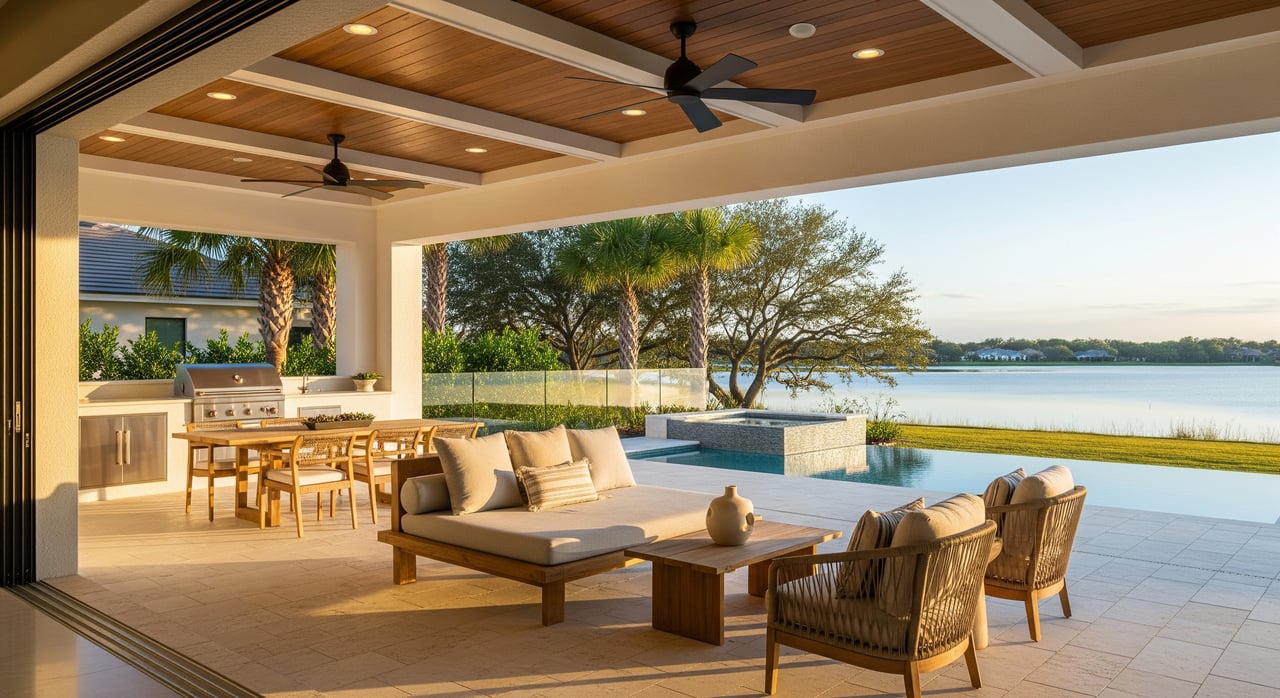
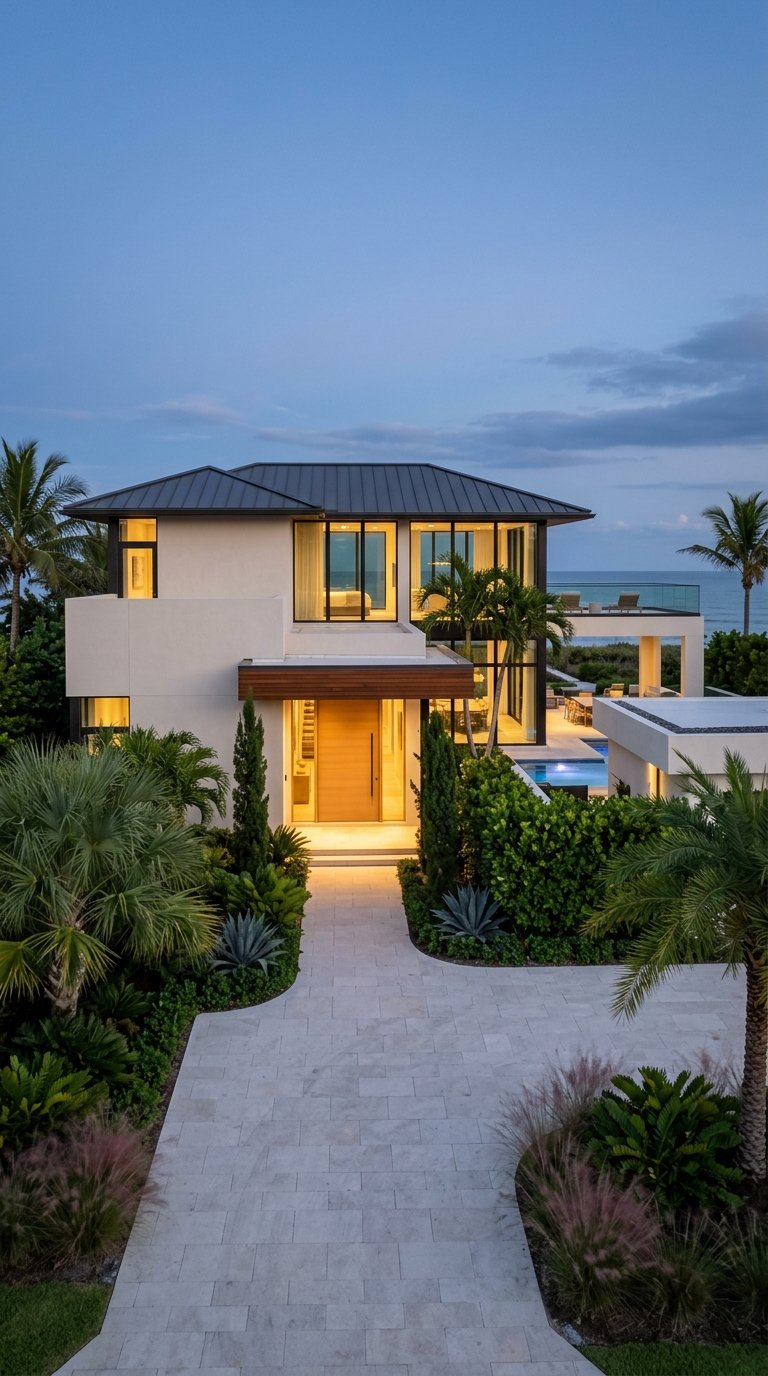
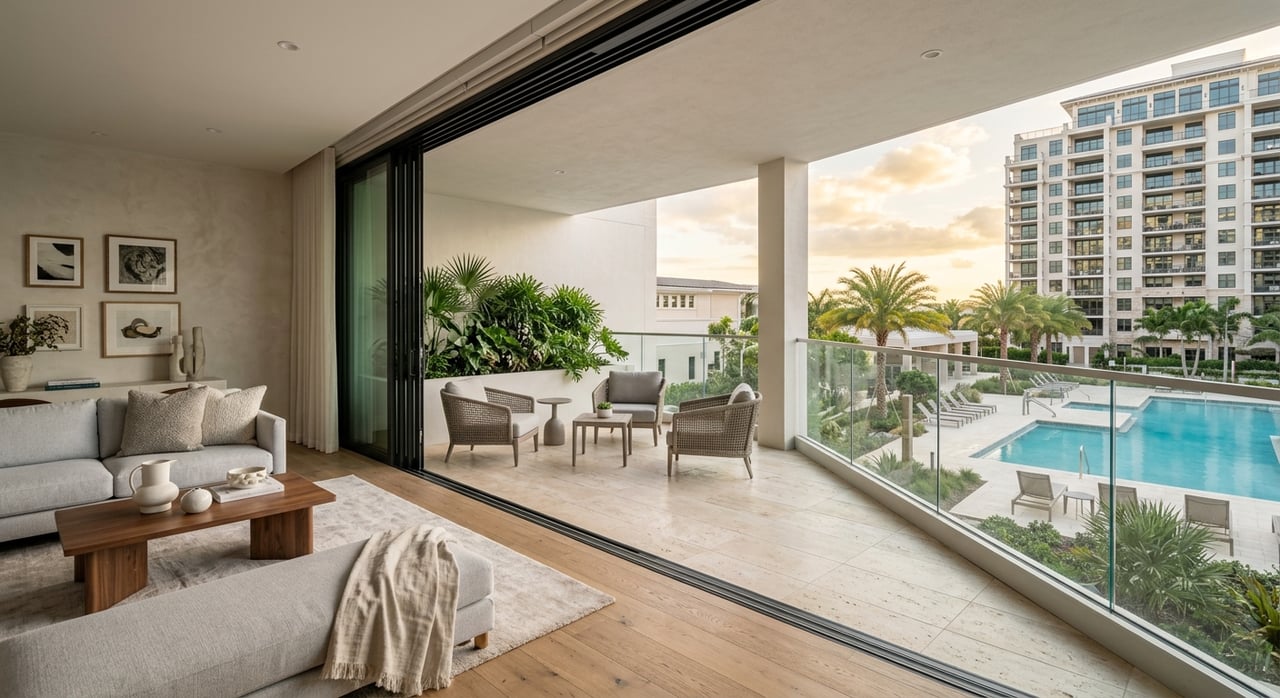
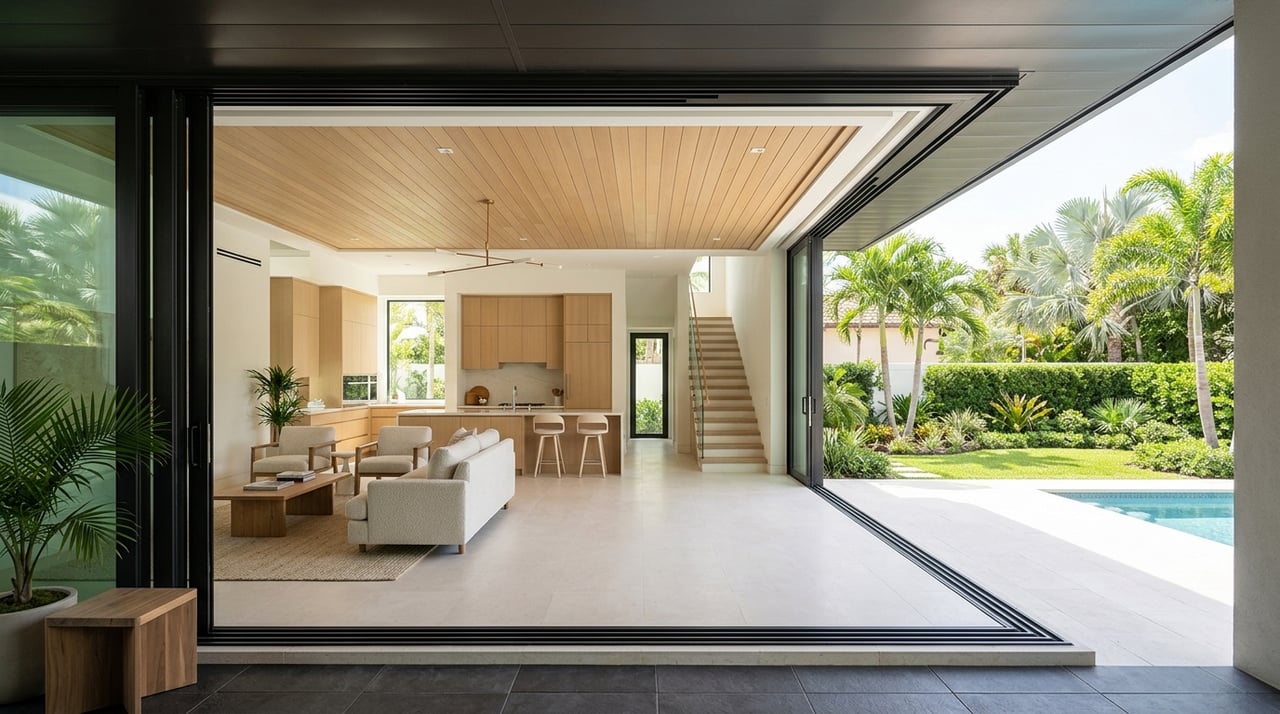
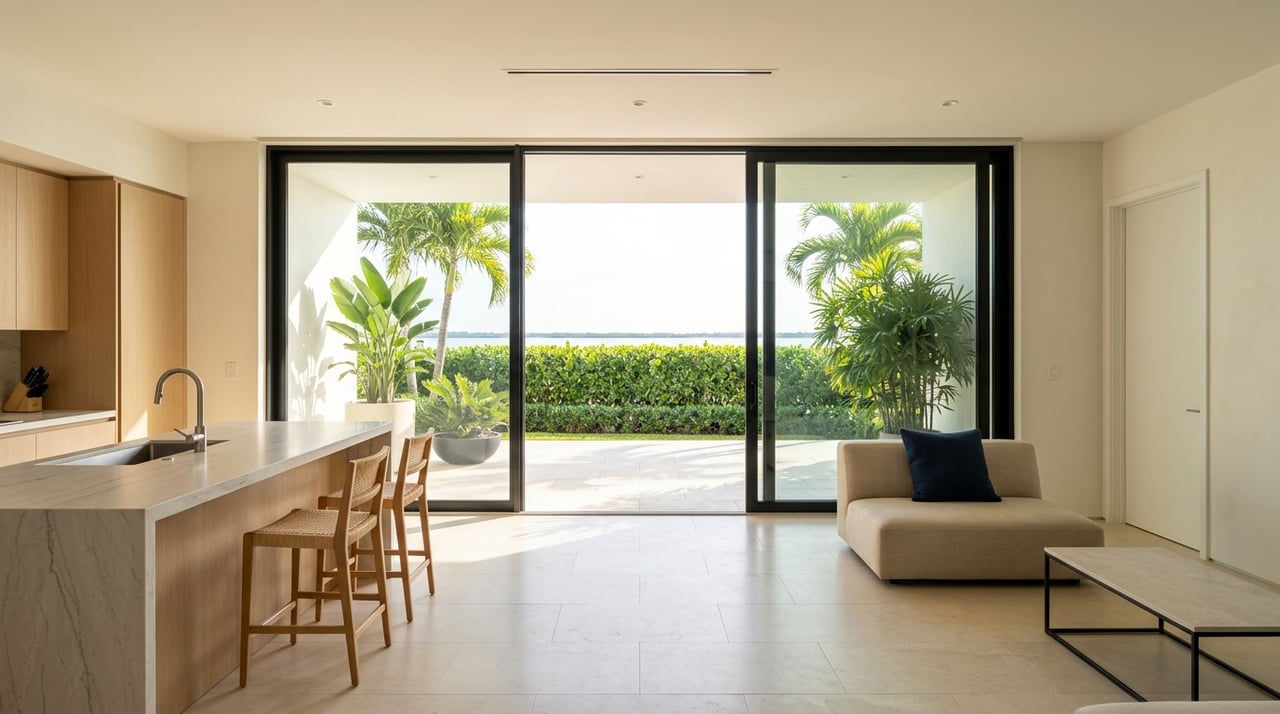
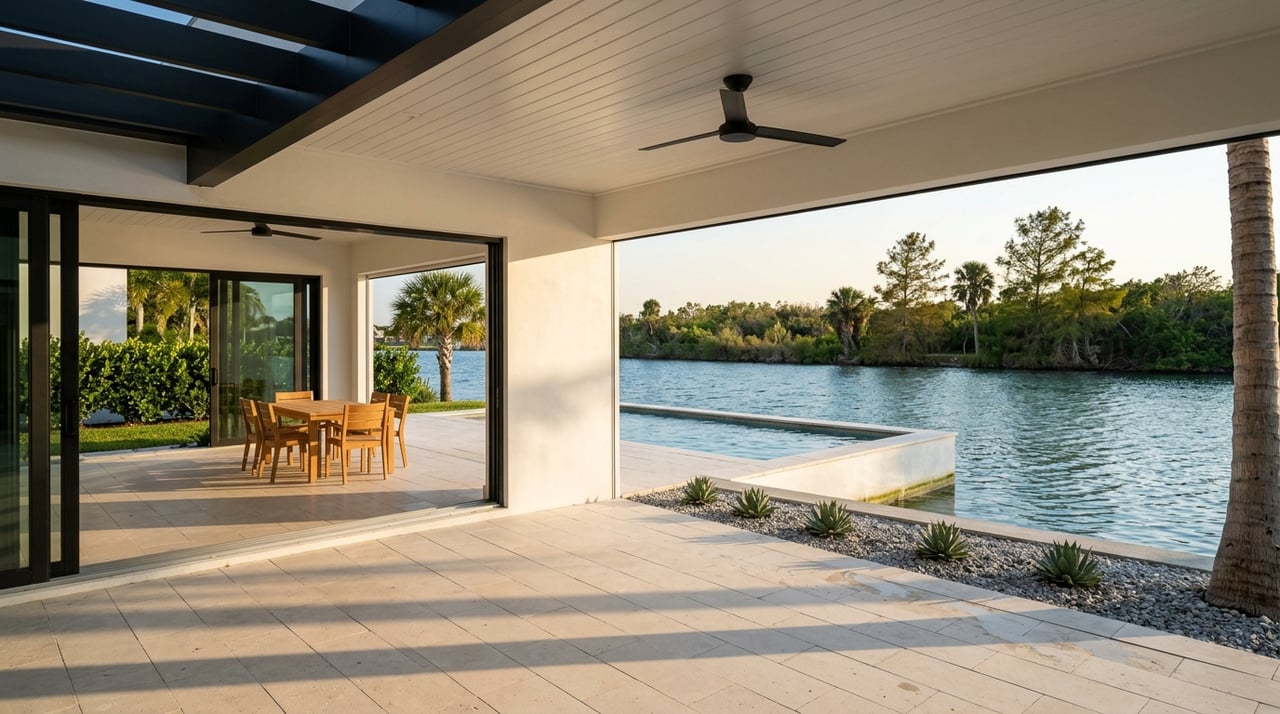
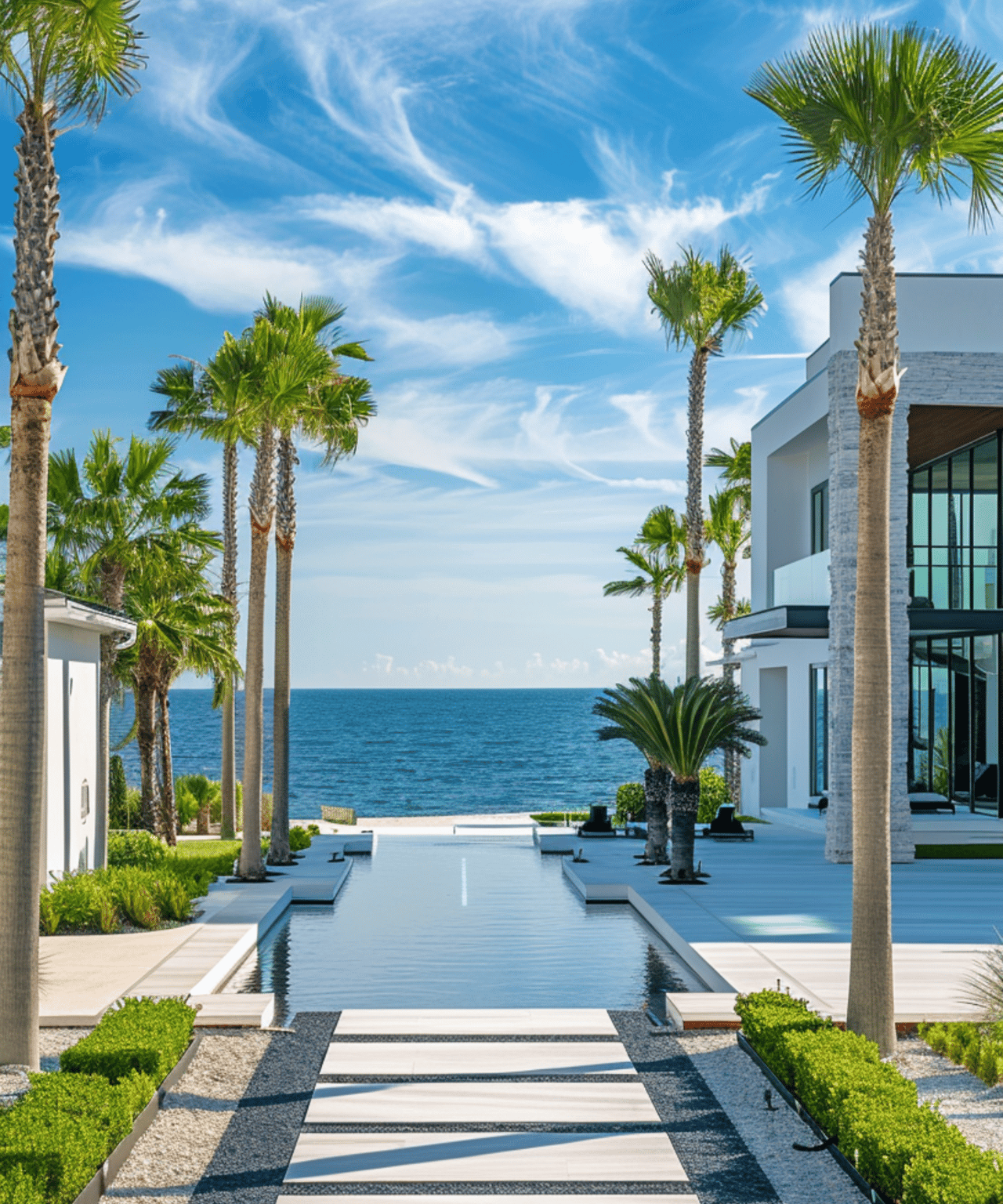
Want your lanai to feel like a five-star retreat you can enjoy every day, not just on weekends? In Esplanade at Azario, you have the setting and the climate to create a true resort experience at home. The key is to plan for sun, humidity, summer storms, and community guidelines so your space is beautiful, comfortable, and durable. This guide gives you a clear plan to design a high-end lanai that enhances daily living now and supports resale value later. Let’s dive in.
Start with approvals and permits
Before you sketch layouts or order furniture, confirm what is allowed and what needs a permit.
- Review your HOA’s Covenants, Conditions & Restrictions and any Architectural Review Committee rules. Expect guidance on screen colors, roof forms, visible equipment, and materials.
- Check Manatee County permit requirements for any structural additions, roof extensions, screen enclosures, outdoor kitchens, pools, and electrical or gas work. GFCI, wind loads, and barrier rules are common triggers.
- Know your flood zone designation. FEMA maps and your insurer may require specific protections that affect design and premiums.
- Follow the Florida Building Code and local amendments. This is essential for wind and hurricane provisions, pool barriers, and electrical safety.
Securing ARC approvals and permits at the start prevents redesigns, delays, and added costs.
Plan the program and flow
Decide how you want to live in the space, then zone your lanai for each priority use.
- Dining zone. Place this close to your indoor kitchen for easy service. Allow enough clearance around chairs so guests can move without bumping into railings or walls.
- Lounge zone. Orient seating toward your best view and plan for shade and ceiling fans. Keep the area flexible so you can reconfigure seating for larger gatherings.
- Outdoor kitchen. Choose gas or electric cooking, add a refrigerator, and select durable countertops. Plan proper venting, grease management, and the required gas and electrical permits.
- Transition zone. Design thresholds that keep insects out and water away from door openings while keeping the flow between indoors and outdoors effortless.
Use landscape buffers, privacy screens, or frosted panels where needed. Avoid large trees with invasive roots too close to the pool or slab.
Shade and sun control in Lakewood Ranch
South and west exposures in our latitude bring the most intense late-afternoon sun. Good shade design protects comfort and finishes.
- Fixed shade. A roofed lanai extension, deep overhangs, or a slatted pergola helps control glare and heat every day.
- Adjustable shade. Consider motorized awnings or louvered roofs for flexible coverage. Confirm wind thresholds and maintenance needs.
- Vertical shading. Retractable side screens, roll-down shades, or operable glass panels help tame low western sun and add privacy when you want it.
- Vegetative shade. Florida-adapted trees and canopy plants can soften light and cool the space. Place them at safe distances to avoid root and leaf issues.
Plan shading first. It protects upholstery, reduces cooling demand, and makes late afternoons inviting.
Screen and enclosure choices
Choose the enclosure type that balances views, airflow, sun control, and storm strategy.
- Standard insect mesh. Fine-weave screens deliver excellent airflow and bug control with clear views.
- Solar-control screens. Lower openness reduces glare and heat gain but also reduces daylight and view clarity. Use where western sun is strongest.
- Retractable screens. Enjoy open views and breezes on demand while keeping bug protection when you need it.
- Impact-rated glass or panels. These add protection from windborne debris and can improve security. They are more costly and may require structural upgrades and additional review.
Remember, standard screens are not hurricane protection. If code or insurance requires certified opening protection, plan for impact glass, approved impact screens, or shutters.
Flooring that looks refined and performs
Your lanai surface should feel comfortable, resist moisture, and stay slip-resistant.
- Porcelain tile. Choose exterior-rated, textured finishes that resist UV and pool splash. Non-slick tiles are your friend.
- Composite decking. Select exterior-rated materials with known slip resistance and low maintenance.
- Pavers or stained concrete. Add texture for traction and seal to resist mildew and staining.
Consider how hot surfaces get under sun, how easy they are to clean, and how they handle pool water and rain. Simple maintenance keeps the space resort-ready.
Furnishings, fabrics, and finishes
Outdoor pieces need to stand up to humidity, salt in the air, and frequent use.
- Hardware and fasteners. Use marine-grade or 316 stainless steel and powder-coated aluminum to resist corrosion.
- Fabrics and cushions. Pick UV, rot, and mildew-resistant fabrics with quick-dry cushion cores. Provide ventilated storage to keep pieces fresh.
- Furniture scale. Aim for 36 to 48 inches of circulation behind chairs and 60 to 72 inches of clearance near dining buffets or main paths.
A refined, cohesive palette across furnishings, screens, and hardscape will elevate the overall look.
Pool integration and water management
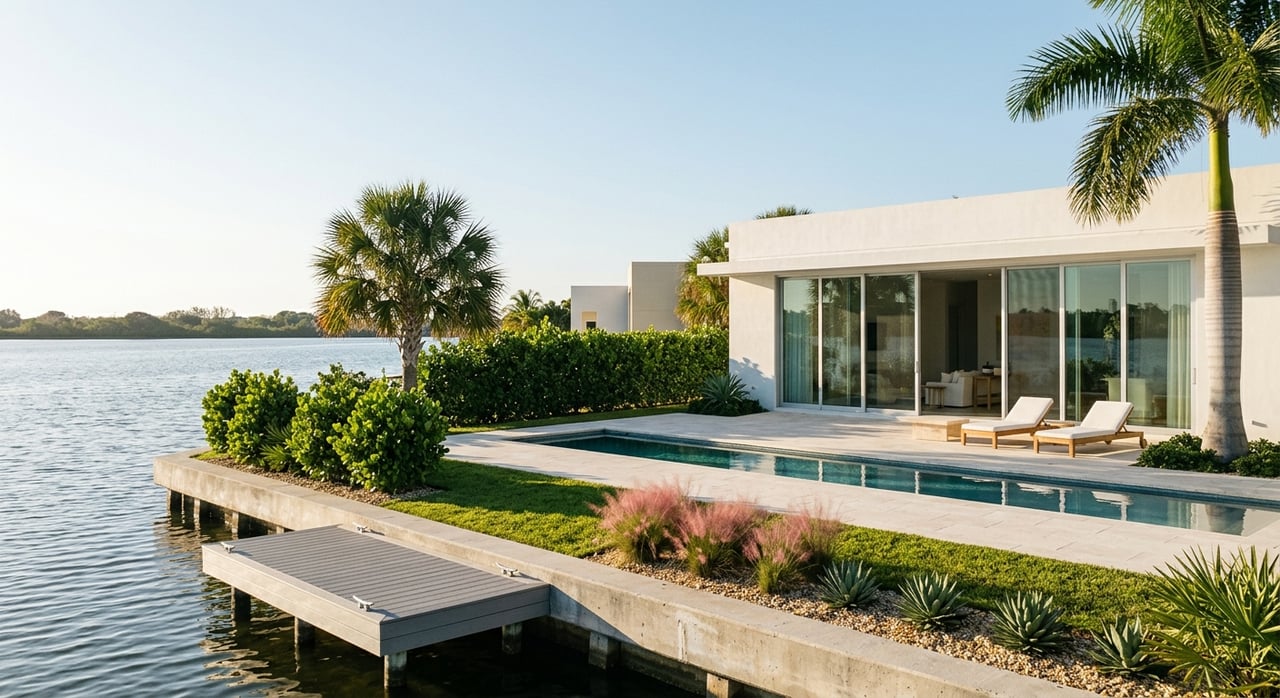
A well-integrated pool and lanai feel like one destination.
- Enclosures. A pool cage or integrated screen enclosure helps keep bugs out and reduces debris. It may slightly affect solar gain and evaporation.
- Deck transitions. Use continuous, non-slip surfaces and slope away from the home. Good drainage protects thresholds and structures.
- Visual alignment. Coordinate waterline tile, coping, and landscape materials so the whole area reads as one resort setting.
Safety is non-negotiable. Pools must meet barrier and alarm rules, and circulation systems must follow drain safety guidelines. Place pumps and heaters where they meet HOA setbacks and minimize noise toward neighbors.
Power, gas, and comfort systems
Safe, code-compliant systems make the lanai comfortable and easy to enjoy.
- Gas lines and appliances. Use licensed professionals and secure the required permits. Plan for venting and shutoff access.
- Electrical. All outdoor outlets must be on GFCI circuits. Select wet- or damp-rated fixtures for lighting and fans.
- Fans and dehumidification. Quality ceiling fans help comfort in humid months. If you plan a conditioned enclosure, expect added complexity, insulation, sealed glazing, and permits.
Build infrastructure right the first time so upgrades and maintenance are simple.
Hurricane readiness and durability
Design for storms and long-term performance from day one.
- Opening protection. Confirm if your lanai openings are considered unprotected. If so, plan for impact glass, approved impact screens, or shutters where required.
- Structural design. Screen enclosures must meet wind load demands based on code. Verify requirements before fabrication.
- Corrosion resistance. Choose marine-grade metals, coastal-rated coatings, and durable outdoor kitchen materials.
- Drainage. Direct roof runoff and slab slopes away from the home and neighbor properties. Add drains or gutter extensions as needed.
These decisions protect your investment and reduce post-storm stress.
Maintenance that preserves value
A simple maintenance routine keeps your lanai looking flawless and functioning well.
- Routine tasks. Clean screens and frames, wash the pool deck, check seals and gutters, and clean outdoor fabrics.
- Annual service. Inspect structural connections, service pumps and gas lines, and reapply sealers or coatings.
- Hurricane season prep. Secure loose items, retract awnings, and install shutters where applicable.
Keep permits, as-built drawings, and warranties in one place. Organized documentation builds buyer confidence at resale.
Marketability and resale appeal
In Florida, buyers expect outdoor living that is functional and low maintenance. A refined, documented lanai is a selling point.
- Highlight covered, ventilated lounge space and an integrated outdoor kitchen.
- Showcase screened pool areas for comfortable, bug-free enjoyment.
- Note certified opening protection and corrosion-resistant materials.
- Present your documentation and permits. Buyers value transparency and quality.
The result is a space that supports everyday living and strengthens your property’s market presence.
Homeowner checklist
Use this sequence to move from idea to completion with fewer surprises:
- Review Esplanade at Azario HOA and ARC guidelines.
- Confirm permit requirements with Manatee County and check your FEMA flood zone status.
- Analyze site sun, wind, privacy, drainage, and pool orientation.
- Set your program priorities and sketch a rough zone layout.
- Choose your enclosure type: pergola, screened lanai, retractable screens, or impact glazing.
- Select materials rated for Florida humidity and salt exposure, including 316 stainless and UV-stable finishes.
- Engage a licensed architect or designer and licensed contractors, then obtain permits.
- Integrate safety and hurricane protection and keep all documentation.
- Create a maintenance plan and store warranties for resale.
Bring it all together
A resort-ready lanai in Esplanade at Azario combines smart shade, durable materials, pool integration, and code-savvy planning. When you start with approvals, prioritize comfort, and invest in corrosion resistance and proper drainage, you create a space that works as well in August as it does in January. Done right, your lanai becomes a daily retreat and a quiet advantage when it is time to sell.
If you are considering upgrades or planning a sale and want a discreet, high-touch perspective on what today’s buyers value, connect with our team. Schedule a Confidential Consultation with Unknown Company.
FAQs
Do I need permits for a new lanai or outdoor kitchen in Manatee County?
- Structural additions, screen enclosures, and outdoor kitchens with gas or electrical work typically require permits. Confirm requirements with the county before starting design.
Are standard screens considered hurricane protection for my lanai?
- No. Standard insect screens do not count as hurricane protection. If code or insurance requires it, plan for impact-rated glass, approved impact screens, or shutters.
What materials reduce mildew and corrosion in Lakewood Ranch’s climate?
- Use mildew-resistant outdoor fabrics, maintain airflow, and specify 316 stainless or powder-coated aluminum. Routine cleaning and sealers help extend life.
Will a resort-style lanai improve resale appeal in Esplanade at Azario?
- Buyers in Florida value refined, low-maintenance outdoor living. A well-executed, documented lanai with permitted upgrades often improves appeal and buyer confidence.