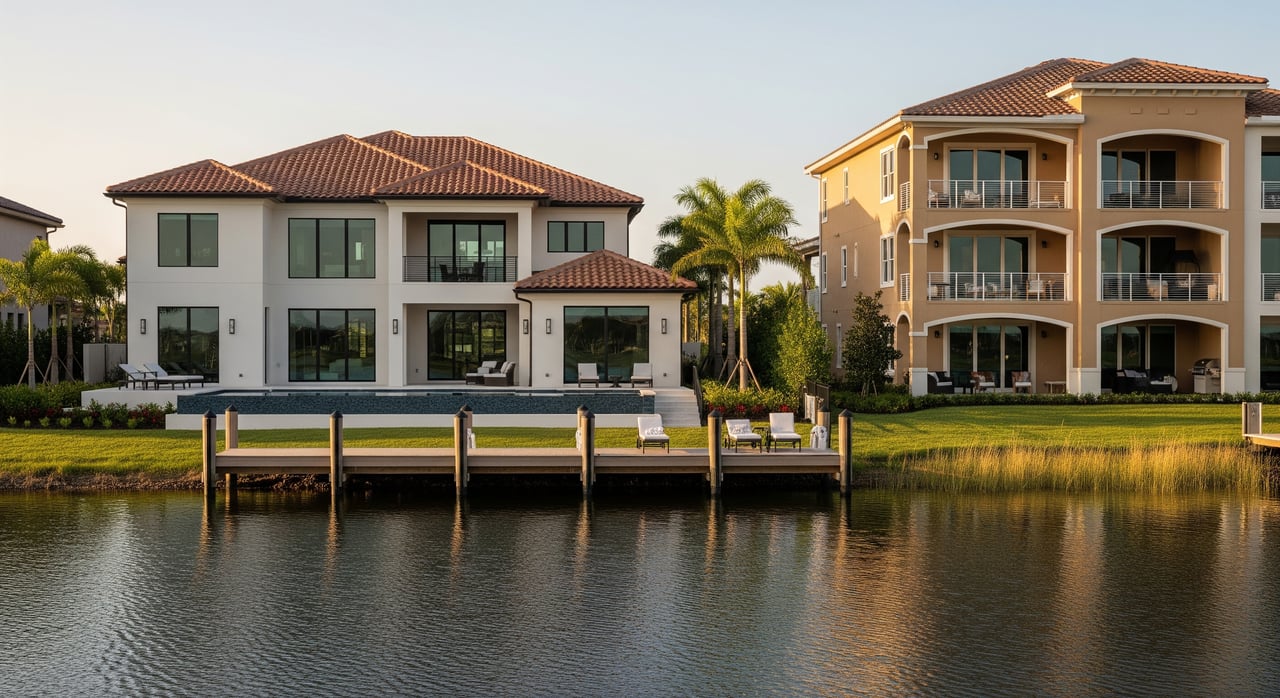
Comparing Waterside Condos and Homes in Lakewood Ranch
December 18, 2025
December 18, 2025
Thinking about a place in Lakewood Ranch where you can enjoy the water, great dining, and a low-maintenance lifestyle? You have two strong choices around Waterside Place: condo living with walkable amenities or a nearby single-family home with more space and privacy. If you are downsizing or buying a second home, the differences matter. In this guide, you will learn how lifestyle, costs, insurance, and due diligence compare so you can choose with confidence. Let’s dive in.
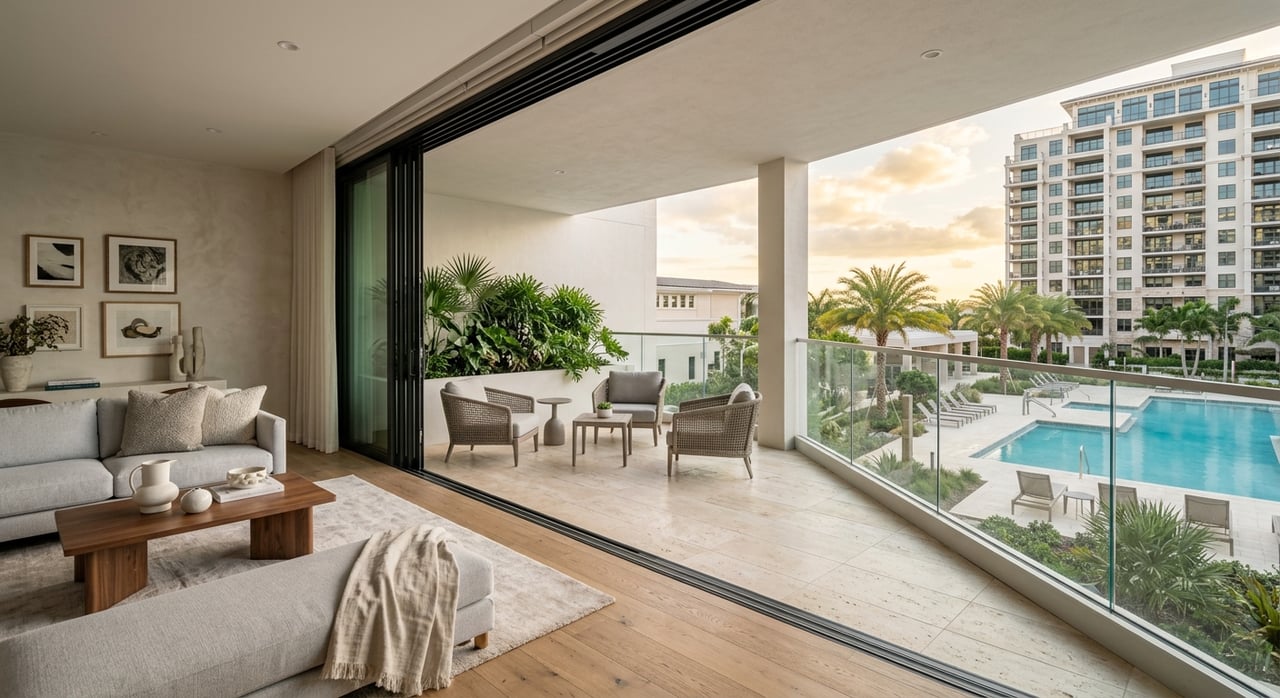
Condo living near Waterside Place centers on convenience. You often get building maintenance handled by the association, on-site amenities like pools and fitness areas, and walkable access to restaurants, events, and lakeside paths. Many buildings feature newer construction and modern finishes.
You trade some privacy and personal outdoor space for that convenience. You share walls and common areas, and you may have HOA rules about pets, rentals, and renovations. Upper-floor residences can offer better views but rely on elevators. If you want a lock-and-leave lifestyle with social amenities, condos near Waterside Place can be a strong fit.
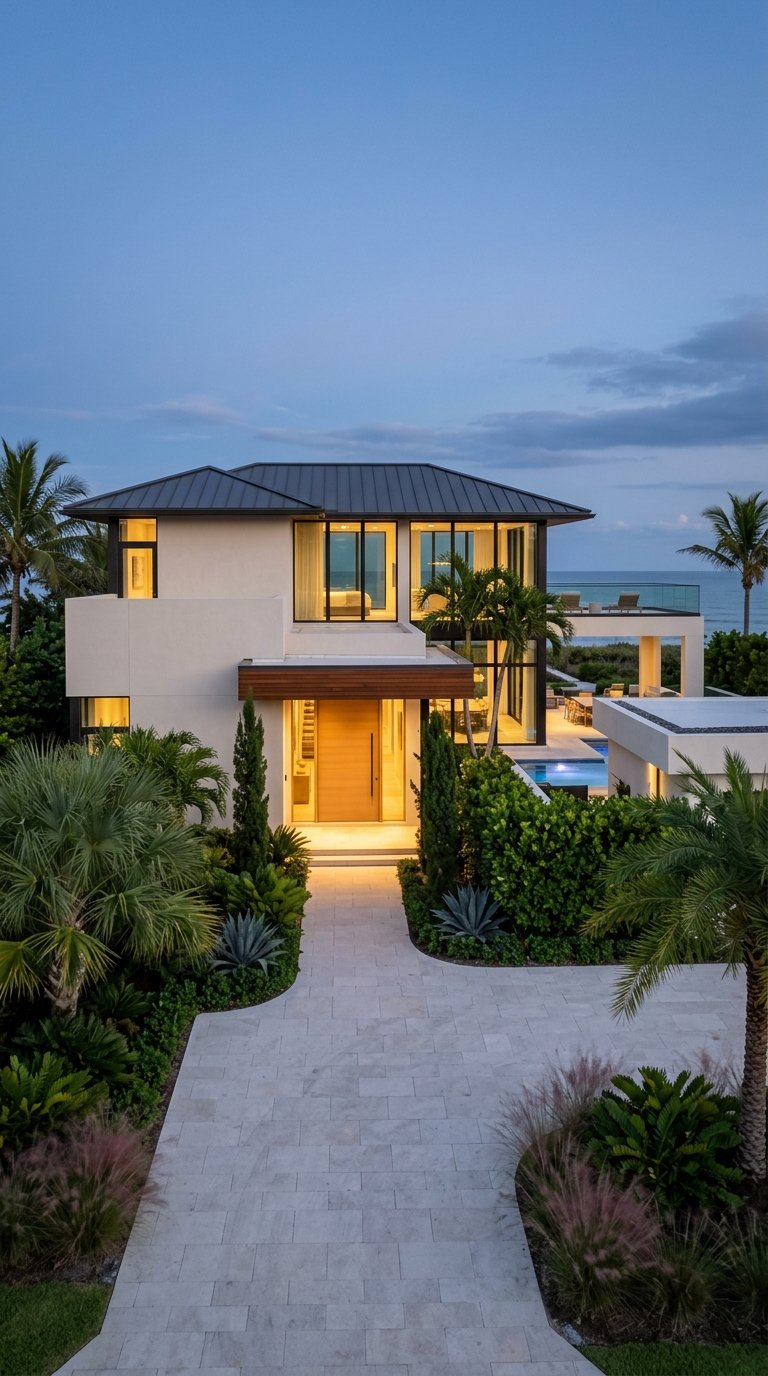
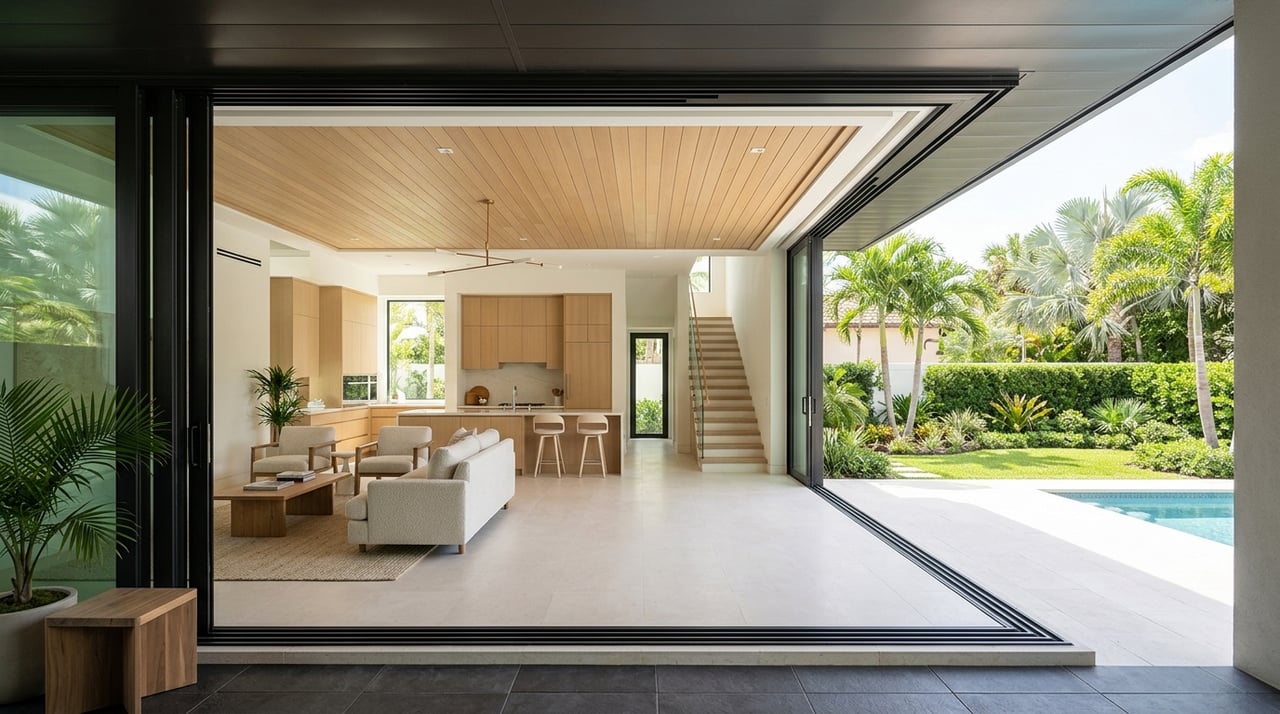
Single-family homes in Lakewood Ranch offer more private outdoor living, space for guests, and room for storage. You can often add a pool, customize your interiors, and park comfortably in garages and driveways.
The tradeoff is maintenance. You are responsible for landscaping, roof care, exterior paint, and any pool equipment. Proximity to shops varies by neighborhood, so you may drive to Waterside Place rather than walk.
If you want ease, security, and minimal upkeep, a Waterside-area condo tends to align with those goals. Elevators and single-level living can also help with accessibility. If you prize privacy, a yard, and personal space for hobbies or pets, nearby single-family homes can deliver more control and quiet.
Second-home buyers often focus on lock-and-leave simplicity and potential rental rules. In either case, the details in the HOA or condo documents will determine how well the property fits your plans.
Condos can offer a lower entry price than single-family homes in similar locations, but price per square foot and appreciation vary by building and neighborhood. Lenders also underwrite condos differently. Many require strong association financials, appropriate reserve levels, and adequate insurance. If you plan to finance a second home, expect different down payment and rate requirements than a primary residence.
Condo fees typically fund exterior maintenance, common area insurance, landscaping, amenities, and sometimes utilities like water, sewer, trash, or cable. Always confirm what is included, the fee structure, and whether utilities are bundled.
With a single-family home, you may have a neighborhood HOA fee, but you pay most maintenance directly. Budget for roof, HVAC, exterior paint, landscaping, pool service, and pest control. Costs can be lumpy over time, so plan for reserves.
Property taxes are assessed similarly, but Florida’s homestead exemption applies only to a primary residence. If you are buying a second home, you will not receive homestead tax benefits. Lakewood Ranch spans Manatee and Sarasota counties, so tax millage and certain local rules can differ by property. Identify the county for any specific address before you buy.
In a condo, reserve adequacy matters. If reserves are underfunded, owners can face special assessments for capital projects. Request the most recent budget, reserve study, and financials to gauge stability. Review board meeting minutes for updates on projects and any assessment history. Pending litigation can affect fees and resale, so review association disclosures carefully.
With a single-family home, you avoid shared structural risk but take on more exposure to big-ticket items like roofs and mechanical systems. A strong inspection and realistic maintenance plan help you avoid surprises.
In Florida, both condos and single-family homes face wind and storm risk. Condo associations often carry master hurricane policies with significant deductibles that can be assessed to owners after a catastrophic event. Ask for the master policy summary and deductible details. For single-family homes, verify wind and hurricane coverage options and costs with insurers. Pricing and availability can shift quickly.
Parts of Lakewood Ranch are inland but include lakes and stormwater systems. Check FEMA flood maps for the specific building or lot. Elevation and building design affect risk, especially for ground-floor condos and waterfront homes. If flood exposure is possible, request an elevation certificate or survey and get flood insurance quotes early.
Walkability to Waterside Place is typically strongest in condos. You can stroll to dining, fitness, and events. Single-family homes nearby vary in proximity and may require a short drive. If privacy and outdoor living are top priorities, a detached home usually offers more. If convenience and social amenities matter more, condos lead.
Rental policies differ by association and neighborhood. Some condos allow seasonal rentals with minimum lease terms, while others restrict or prohibit short stays. Many single-family communities also have rental rules. If you plan to rent, confirm allowed lease terms, frequency restrictions, application steps, and any required insurance before you write an offer.
There is no one-size-fits-all answer. If you want a social, walkable lifestyle with minimal upkeep near Waterside Place, a condo can deliver daily ease and strong amenities. If you want quiet, control, and space to entertain or host extended visits, a nearby single-family home offers more privacy and room to grow.
Your best choice will come from comparing specific properties side by side. Match your priorities with real monthly numbers, realistic insurance quotes, and clear rules around rentals, pets, parking, and storage. When the details align with your lifestyle and risk comfort, you will feel ready to move forward.
Ready to compare your short list with expert guidance? Schedule a confidential consultation with Mark J. Baron for a curated, principal-led approach and a clear path to your perfect Lakewood Ranch fit.
Stay up to date on the latest real estate trends.
Whether you're buying your dream home or preparing to sell an exceptional property, I bring clarity, strategy, and care to every step. With deep local knowledge, a powerful marketing toolkit, and a commitment to discretion and detail, I deliver results that align with your goals—and exceed your expectations.
Get In Touch
443 John Ringling Blvd. Suite F Sarasota, FL 34236